
Cèdre Gouraud Park
Heading North our first stop was, Cèdre Gouraud Park which is nestled in Morocco’s Middle Atlas Mountains near Azrou, Cèdre
It’s a tranquil forest retreat known for its majestic ancient cedar trees and named after French General Henri Gouraud, the park is home to the endangered Barbary macaque, making it a hotspot for wildlife lovers. The monkeys have become a bit of a tourist spot. Locals sell nuts and bananas to feed them. Luckily we had our own nuts and bananas, the monkeys are extremely tame and very friendly. They were literally eating out if the palm of my hand

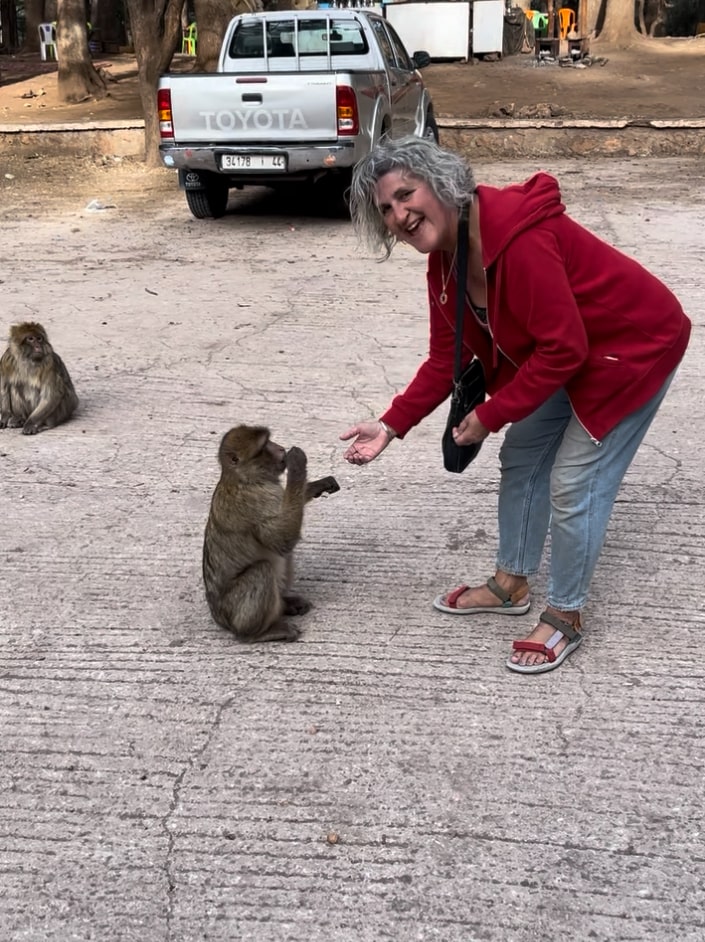
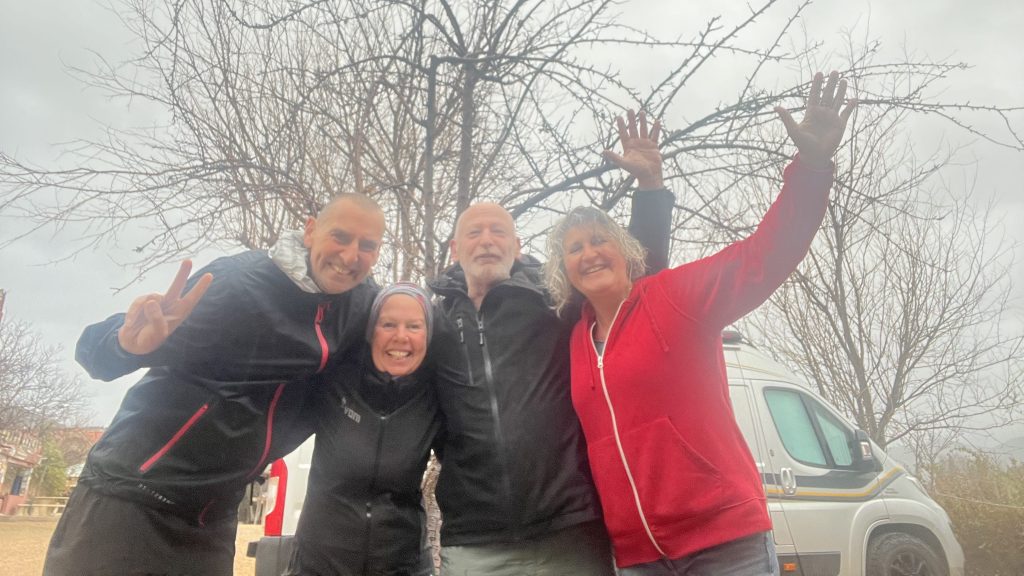
Visiting the park is a peaceful escape into nature with a touch of local Berber culture all around. It wasn’t really a place we wanted to stay over night though so we continued on to a campsite at Azeri and met ‘Packing our Trunks’ Nicky and Kevin another vanlife couple we follow on instagram.
Meknes
Meknes, one of Morocco’s four imperial cities, was founded in the 11th century by the Almoravids as a military settlement.
It rose to prominence in the 17th century under Sultan Moulay Ismaïl, who transformed it into a grand capital with monumental gates, palaces, and 45 km of fortified walls.
It is often dubbed the “Versailles of Morocco,” because Meknes showcases a blend of Islamic and European architectural styles.
Today, its historic medina is a UNESCO World Heritage Site and offers visitors a glimpse into its rich past, featuring landmarks like the Bab Mansour gate and the sprawling royal complex.
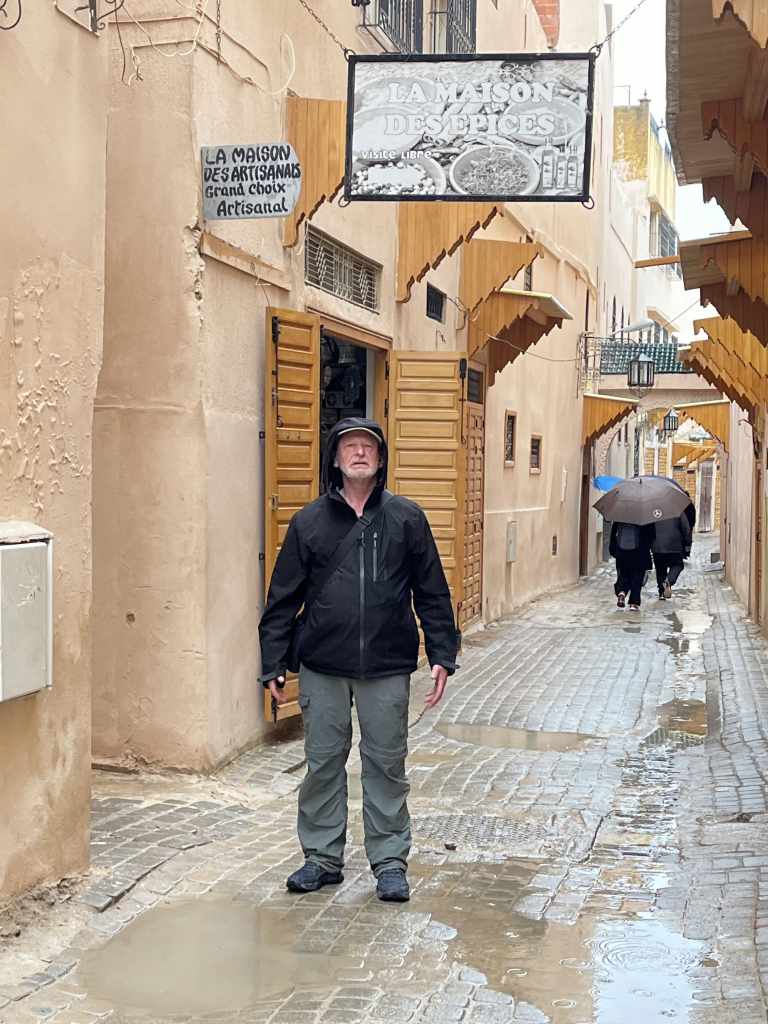
Sadly for us everything was closed as it was a Friday, the Muslim holy day and it also rained a fair bit.



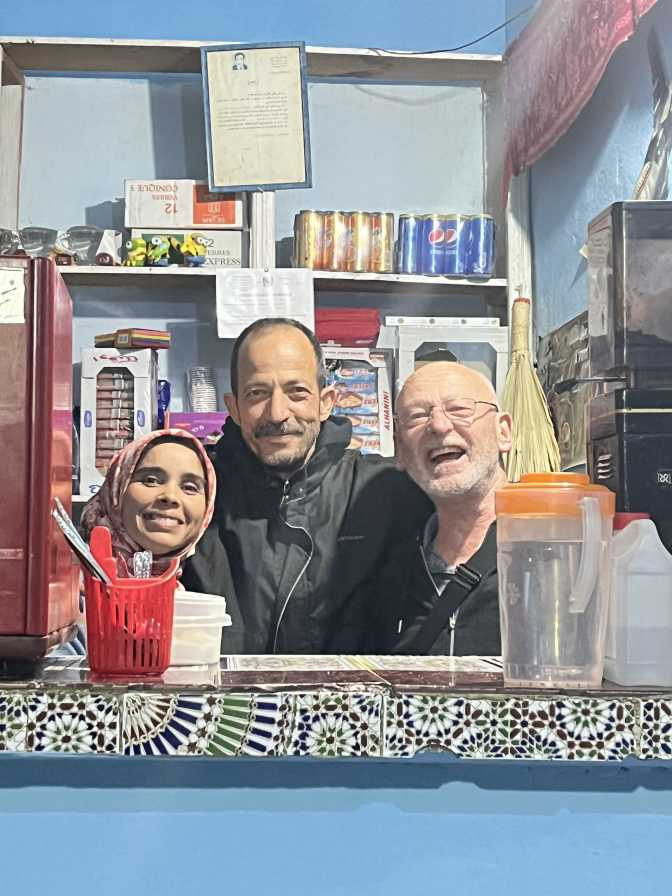
After leaving Meknes we eventually found a park up at Ferme Olivier, near Ouzzane. It was a free park up when you ate at the restaurant. Here is a photo of Dee with the owners.
Chefchaouen
Chefchaouoen is in the Rif Mountains of northern Morocco.
Chefchaouen is a hidden gem famous for its blue-painted streets and relaxed atmosphere. Often called the “Blue City,” — every alleyway, stair, and doorway is awash in calming shades of blue.
The town was founded in the 15th century and has a blend of Moroccan and Andalusian influences. Strolling through the medina, you’ll find local artisans selling handmade crafts, colorful textiles, and fragrant spices.
So why is Chefchaouen blue?
There are several theories about why Chefchaouen is painted blue, and no one knows for sure which is the true origin. Here are the most common explanations:
- Spiritual Significance: Many believe the blue comes from Jewish refugees who settled in the area in the 1930s. In Judaism, blue symbolizes the sky and heaven, reminding people to live a spiritual life.
- Keeps Mosquitoes Away: Some locals say the blue paint helps repel mosquitoes, as it’s thought to mimic running water — which mosquitoes avoid.
- Cooling Effect: The blue tones may also help keep buildings cooler in the hot Moroccan sun, reflecting heat and creating a more pleasant environment.
- Tourism Appeal: Others argue that the tradition has been embraced and continued simply because it looks beautiful and draws visitors from all over the world.
In reality, it’s likely a combination of tradition, belief, and aesthetics — and that mystery just adds to Chefchaouen’s charm.

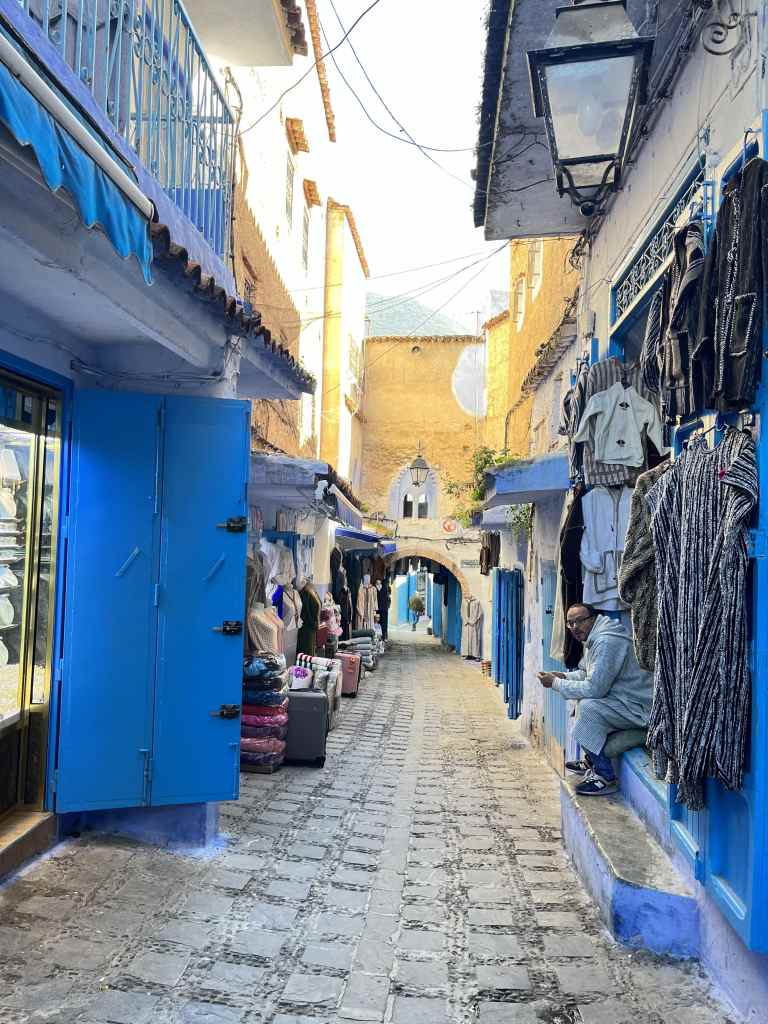


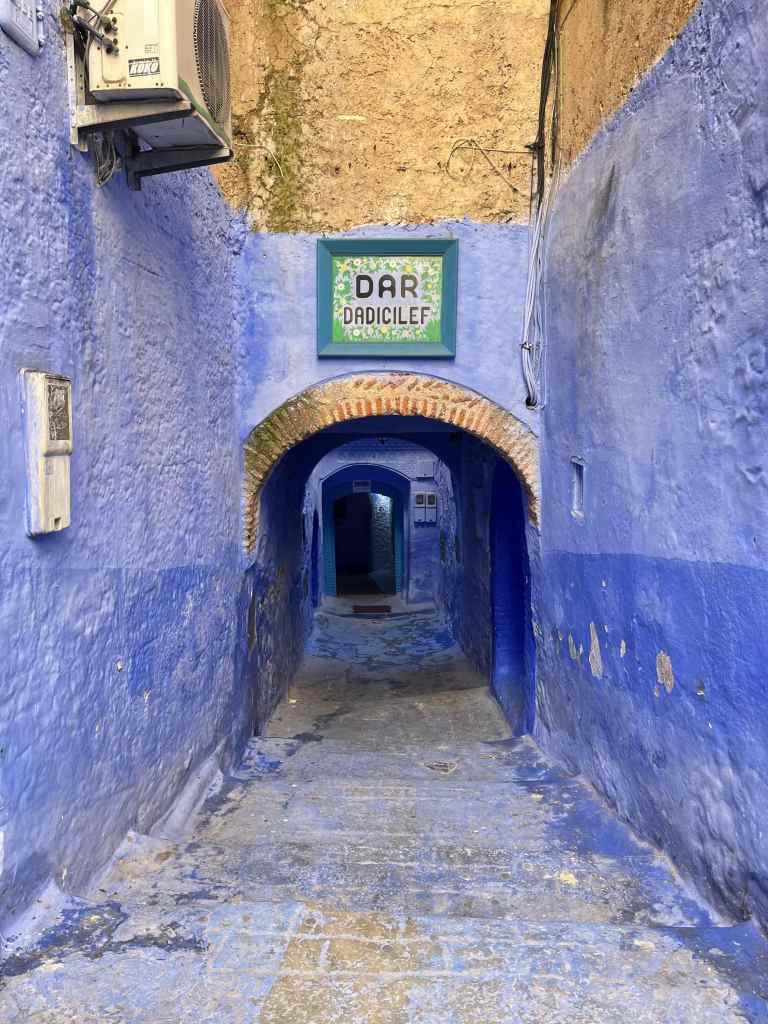


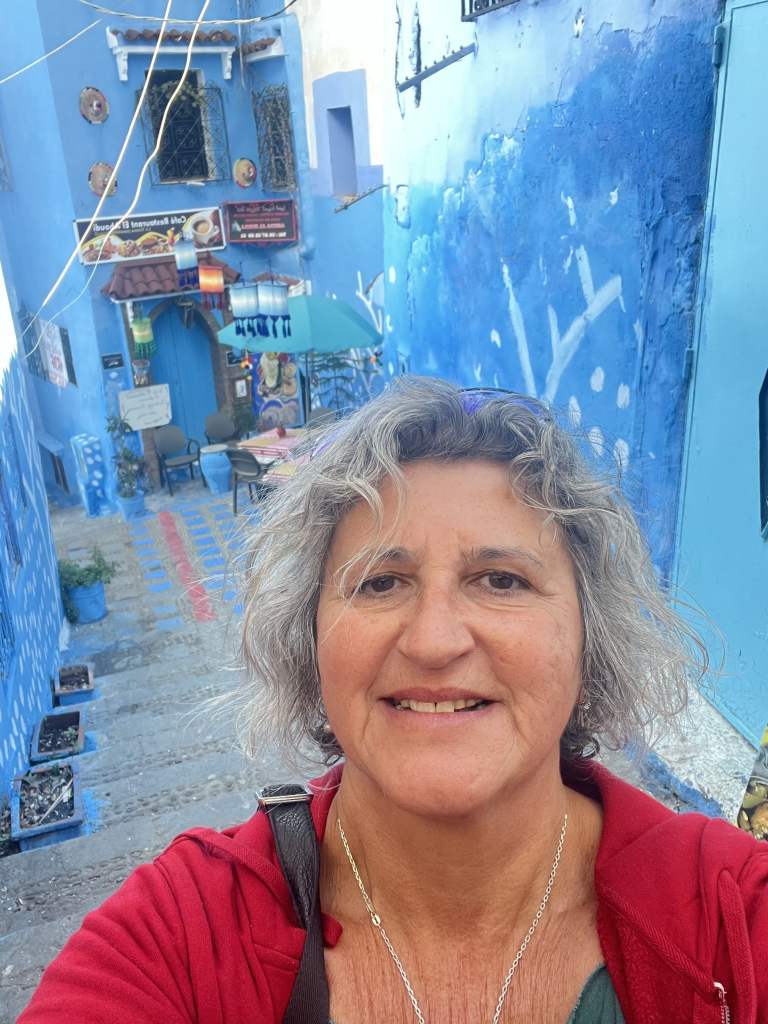
I left Dee in the van and wandered around Chefchaouen on my own as he wasn’t feeling that well with a cough and cold. It is definitely a place worth visiting
Chefchaouen was actually our last stop in Morocco before heading to the ferry the following day
Our park up that night was at Dalia beach where we could actually see both Spain and Gibraltar


Our next post will be about Gibraltar. If you would like to subscribe and be notified every time a new post goes live then please fill out your e mail and hit the subscribe button
You can also follow us on social media just click on the icons below

 Our Life on the Road